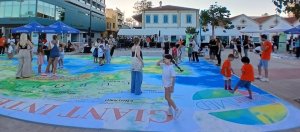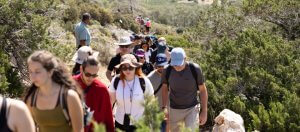
Terra Cypria and BirdLife Cyprus organized an afternoon outing in Kato Paphos, within the framework of the Pandoteira project. The event took place at the Special Area of Conservation (SAC) & Special Protection Area (SPA) Faros Kato Pafou, which is part of the Natura 2000 network.
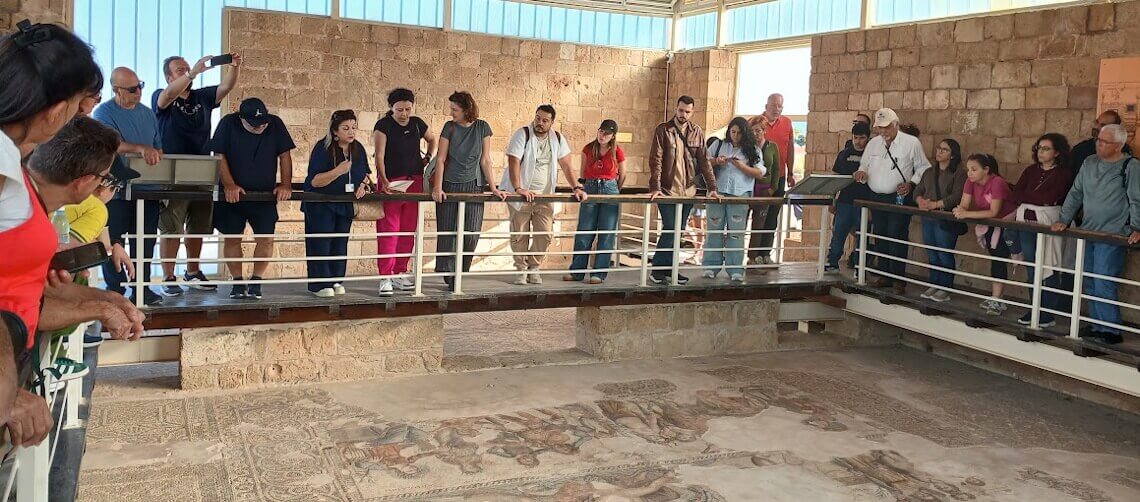
The event began with a guided tour of the archaeological site of Nea Paphos, where we visited the House of Theseus, the House of Dionysos and the Odeon. The town of Nea Paphos was founded at the end of the 4th century by Nicocles, the last king of Palaipafos. In the beginning of the 3rd century B.C. when Cyprus became part of the Ptolemaic kingdom, which had its capital in Alexandria, Nea Pafos became the center of Ptolemaic administration on the island. Until the end of the 2nd century B.C., Nea Pafos acquired such an important role as a political and economical centre of the region that the Ptolemies made it the capital of the whole island. When in 58 B.C. Cyprus was annexed by Rome, Nea Pafos continued to be the capital of Cyprus.

In 1980 Nea Pafos and Palaipafos were inscribed on the World Heritage List of UNESCO.
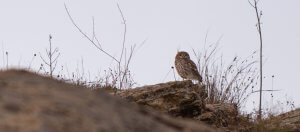
After the guided tour, we walked along the Paphos seafront promenade. There, members of our team from BirdLife Cyprus and Terra Cypria assisted participants with observing the Greater sand plover, the common kingfisher and other bird species that either live there year-round or stop by during migration.

Our event came to a wonderful end against the backdrop of Paphos’s breathtaking sunset. We ended the day with beautiful memories, new knowledge and a renewed appreciation of the natural wealth that surrounds us and the importance of the Natura 2000 network.
Learn more about this area of the Natura 2000 network through a dedicated Trip Package.