The Pandoteira project organized a celebration for the European Natura 2000 Day, on Saturday May 21st, 2022, at the Troodos Botanical Garden “A. G. Leventis”.
The celebration included different activities for children and children at heart, with the aim of bringing people closer to nature and helping them realise the value of the Natura 2000 network.
From 9:00 till 16:00 visitors participated with great enthusiasm in activities, such as:
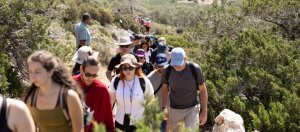
- Hiking at a nearby nature trail
- Bird ringing
- Building bird nests
- Birdwatching
- Exploring water invertebrates
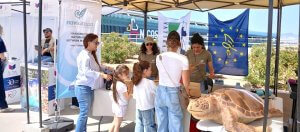
- Playing interactive educational games for sea turtles
- Enjoying a tour of the botanical garden
To view a short video with the day’s highlights click here!
Presentations
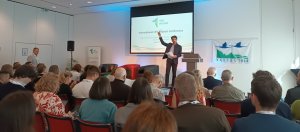
Visitors were also able to learn about the importance of the Natura 2000 network through targeted presentations on the following topics:
- 30 years of LIFE
- The value of the Natura 2000 network and the Pandoteira project
- The importance and management of the Troodos National Forest Park
- Special Protection Areas
- Marine Protected Areas
What is the Natura 2000 network?
The Natura 2000 European Ecological Network is a wide European network of protected natural areas for species of flora, fauna, birds and habitats. Apart from protecting nature and biodiversity, the Natura 2000 sites also provide numerous benefits to people. For example, they contribute to climate change mitigation, they protect us from natural disasters, they offer opportunities for recreation and attract visitors, thus contributing to the support of their surrounding regional economies.
The Pandoteira project
The Pandoteira project, which was the organizer of this celebration, focuses on managing the Natura 2000 network in Cyprus. Its purpose is to make the Natura 2000 network more effective and functional, as well as sustainable. The project is co-funded by the EU’s LIFE Programme, the coordinating beneficiary is the Department of Environment, while the consortium also includes 13 associated beneficiaries from public bodies, academic institutions, non-governmental organisations and private companies. Find out more about the project’s Partners here.
To learn more about the Pandoteira project follow this link.